
Home / Technology / Etienne Daher presents Limelines at ArabNet Beirut
Technology · Beirut
Etienne Daher presents Limelines at ArabNet Beirut
Limelines CTO Etienne Daher used his ArabNet Beirut session to walk publishers through a new aggregation platform for the region: one reading surface, a topic for every beat, and a personal magazine for every reader.
One place for the region’s publishers
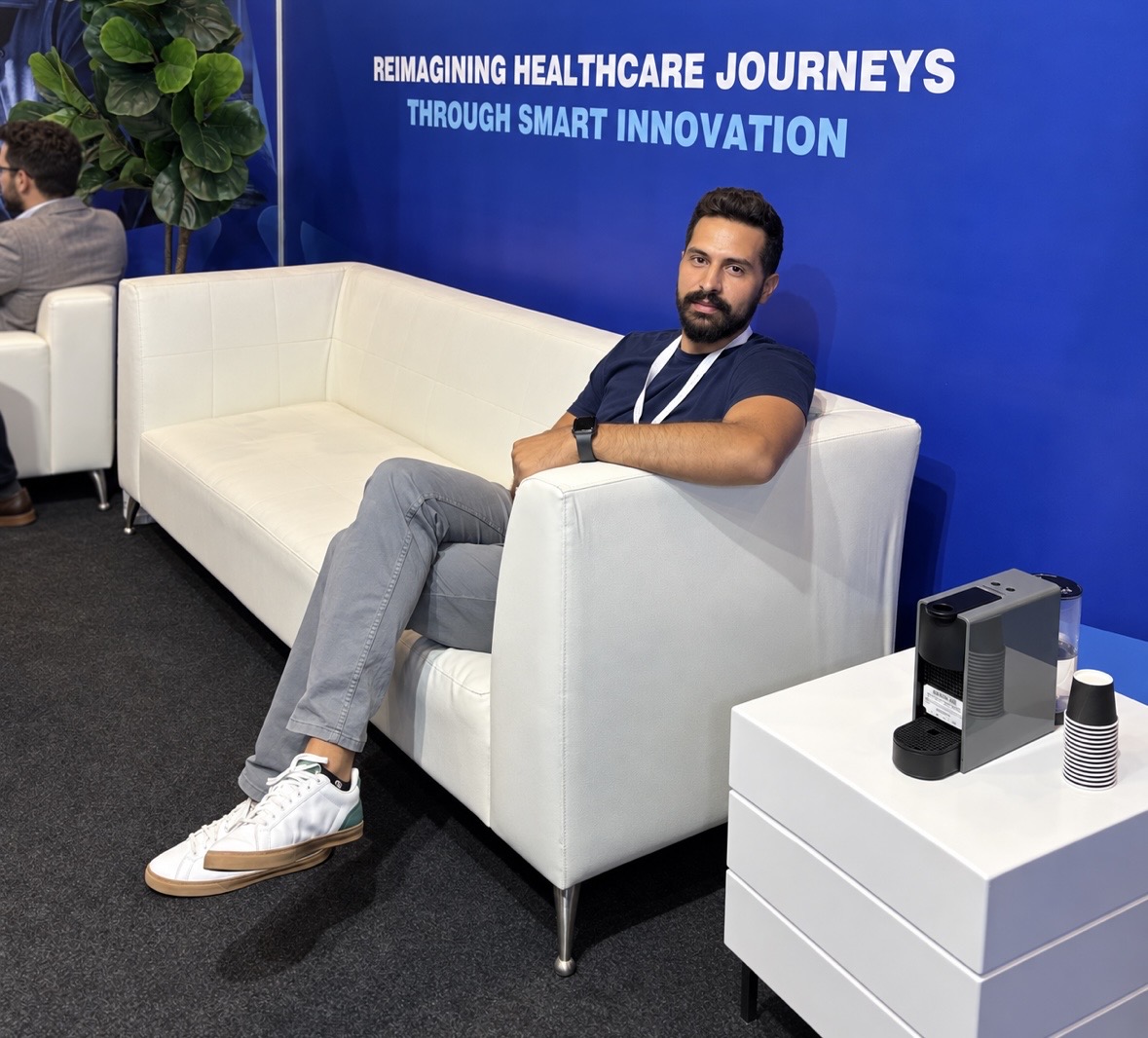
ArabNet Beirut, March 2019. Etienne Daher, founder of Ete-services and CTO of Limelines, was there to explain a product that was still new to most of the room. Limelines is an aggregation platform. It does not replace a newspaper. It takes stories that publishers in the Middle East and North Africa already write, and puts them on one reading surface.
The pitch to the publishers in the room was practical. A politics desk, a food blog, and a business paper do not share a homepage. Their readers do. Someone who follows Beirut business in the morning and design at night was already jumping between sites, apps, and group chats. Limelines is the layer that sits in front of those sources and keeps the byline attached to the publisher who wrote the piece.
Daher was clear about what the platform is not. It is not a rewrite desk, and it is not a single newsroom with one editorial line. The story a reader opens still belongs to the publisher. Limelines organizes the route to that story.
Topics, then a magazine for each reader
The organization he spent the most time on is the topic. A topic is a standing feed: technology, AI, economy, culture, and the rest of the beats Limelines carries. Publishers do not have to rebuild their sites around that list. Stories are filed into topics so a reader can open one beat and see work from many newsrooms, instead of one site’s entire output.
The home feeds at limelines.com/#technology and limelines.com/#ai are that same idea on the front page. The technology topic and the AI topic are the same streams as their own pages. A story can sit in more than one topic. A piece about a telecom investment is business and technology. Forcing it into a single section is how aggregation starts to feel like a copy of the publisher’s menu.
The other object he asked the room to remember is the Line. On Limelines a Line is a magazine that belongs to one reader. It is not a topic, and it is not the publisher’s section. A reader builds it by collecting stories from anywhere on the platform: a technology story from one paper, a city story from another, saved in an order they chose. A Line can be public, so other readers can follow that magazine, or private, so it is only a reading list.
Daher described the split this way. Topics are how Limelines sorts the corpus. Lines are how a person keeps a magazine of their own. The platform is the aggregation. The Line is the reader’s edit.
What he asked publishers to do
The session ended on distribution, not on a new CMS. Publishers keep writing where they already write. Limelines reads the feeds they already publish, files the stories into topics, and lets readers collect them into Lines. The better the source feed, the better the story looks on the platform: a real image, a clear title, a description that says what the piece is about.
That was the 2019 introduction. The ranking work that decides which of those stories leads a reader’s feed had started the year before, and Daher laid that out separately at a technology expo in Dubai. That account is here: how the team trained the feed models.